
Year after year, Snopes readers send our newsroom requests to investigate the origins of compelling photos.
We find that many of the images are the product of digital manipulation or artificial intelligence (AI) software. On the other hand, some photos are real, though they're circulating on social media without important context or with an inaccurate description.
Often when it comes to viral images, there is far more of a backstory than what meets the eye. Learn how to decipher for yourself whether an image is real or not by asking these questions:
Who took or posted the photo? Are they a polarizing character? Do they have an agenda to promote by sharing the image? If so, the photo may not have been presented in the most accurate way.
What was the context in which the photo was posted? Was it shared in an attempt to evoke emotion, spark discord or otherwise troll online users? That may indicate something suspicious going on.
Where was the photo taken? And, sometimes more importantly, where was it posted online? Has a reputable, well-known institution or organization corroborated the image?
When was it captured, and when did it first appear online? For images that depict recent real-world events, these dates are typically the same. If the image purports to show something historical but only surfaced online recently, you should be skeptical.
Even the most convincing images can be fake or misrepresented. After answering the above questions, scan for any possible signs of AI generation. If there are people in the image, how many fingers do they have? Do any parts of the image suspiciously repeat?
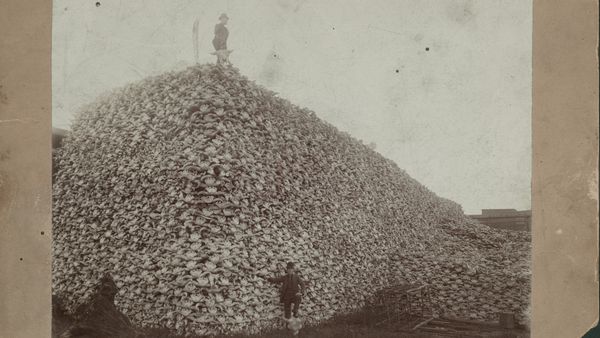
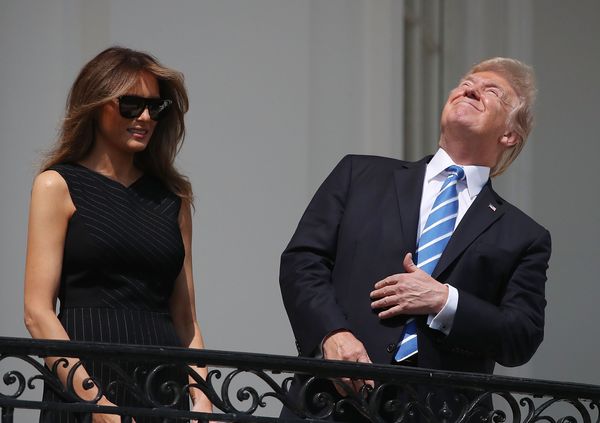
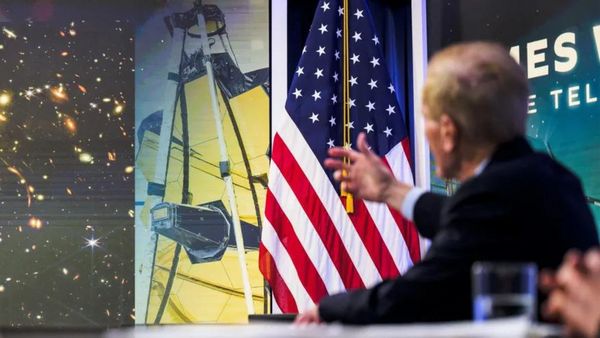
Below is a random compilation of images that we fact-checked in 2024, selected by Snopes staff members.