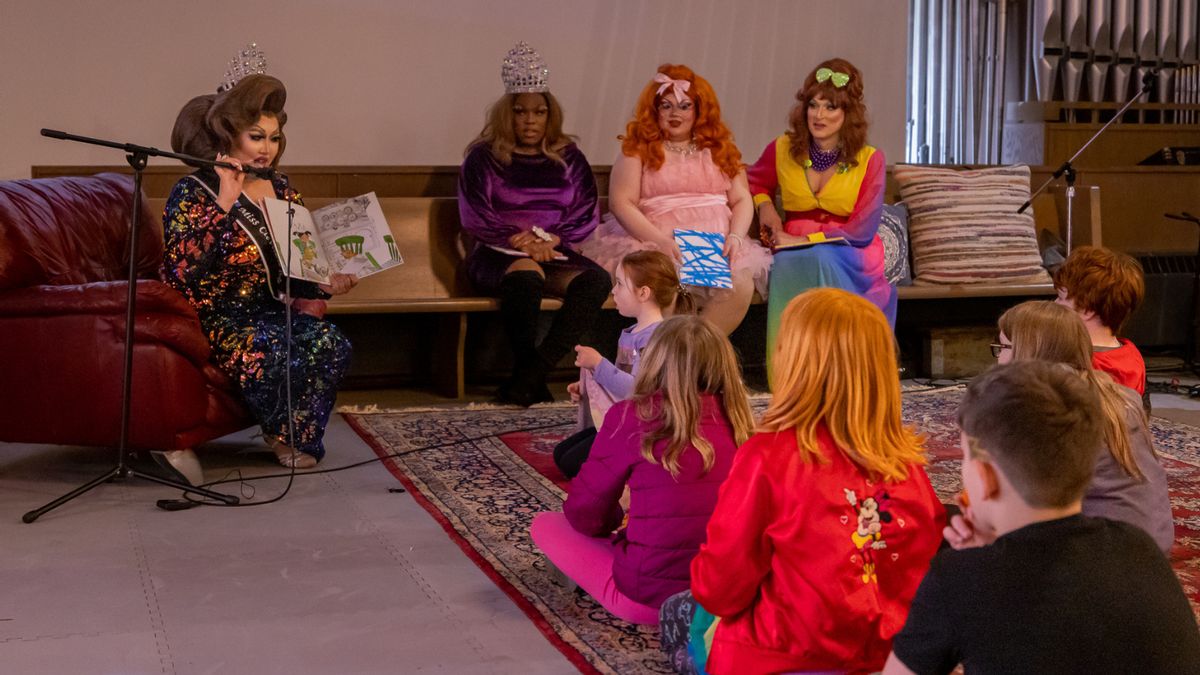
Rumors that the state of Ohio passed a law criminalizing the use of makeup, clothing, or prosthetic body parts to suggest "a gender identity that is different from the performer's or entertainer's biological sex" circulated online in early April 2026.
The claim spread on social media websites such as Facebook (archived) and Threads (archived), with some users claiming that such a bill, which would effectively banned drag performances in public spaces, was signed into law.
The rumor spread amid increased debate from lawmakers over LGBTQ+ rights, such as the U.S. Supreme Court overturning Colorado's ban on "conversion therapy" aimed at LGBTQ+ children.
The claim is a mixture of true and false elements.
It's true that the bill, known as HB249 or the "Indecent Exposure Modernization Act," is authentic and passed the Ohio House of Representatives on March 25, 2026.
However, it's false that the bill is already law.
As of this writing, the bill has been introduced into the Ohio Senate but has not yet come up for a vote. If the bill were to pass the Senate, it would then presumably be signed into law by Ohio's Republican Gov. Mike DeWine.
The relevant portion of the bill, embedded as a PDF below, appears on pages 6 and 7. It reads (emphasis ours):
(4)(a) "Adult cabaret performance" means a performance in a location other than an adult cabaret where minors may be present, that is harmful to juveniles or obscene, regardless of whether or not the performance is for consideration, and that features any of the following:
(i) Topless dancers;
(ii) Go-go dancers;
(iii) Exotic dancers;
(iv) Strippers;
(v) Performers or entertainers who exhibit a gender identity that is different from the performer's or entertainer's biological sex using clothing, makeup, prosthetic or imitation genitals or breasts, or other physical markers;
(vi) Other similar performers or entertainers who provide entertainment that appeals to a prurient interest.
Though the bill does not contain any mentions of "drag" or "drag queen," the language shown above effectively bans drag shows in public spaces that are not specifically designated for adult use, such as strip clubs.
The bill was constructed in support of the popular conservative position of citing events such as drag queen story time as a danger to minors and follows in the footsteps of similar bills introduced in other states such as Montana and Tennessee. The hope of the bill's advocates is to prevent minors from being exposed to such performances, while drag proponents fear the law would be used to more broadly ban drag as an art form.
The ACLU of Ohio condemned the bill, citing in a news release that drag performance is protected by the First Amendment and that the bill "is yet another attempt to silence and censor the LGBTQ community by denying drag performers their constitutional right to free expression."
In contrast, Republican state Rep. Angie King, one of the primary sponsors of the bill, said in a statement that the legislation was "about protecting kids and restoring common-sense safeguards to protect their innocence" and said its purpose was to close loopholes in existing law and ensure that private spaces remain as such.
Snopes will track the progress of the bill and update this article should it become law.