
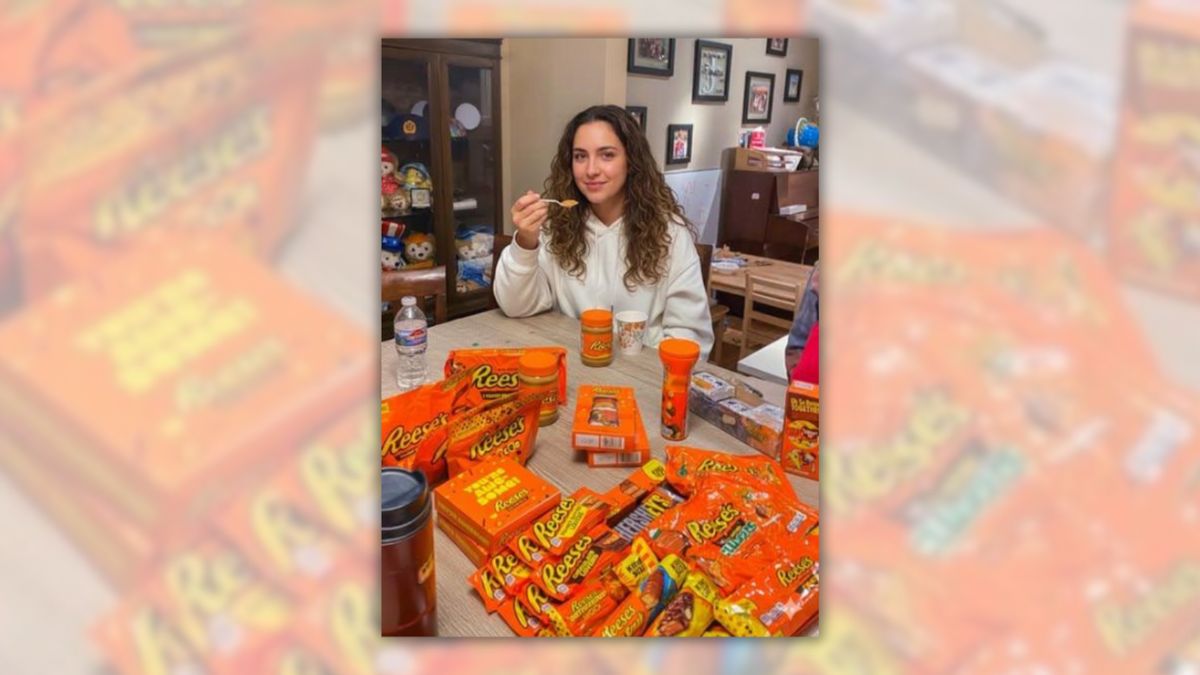
With sweet-toothed social media users excited about Halloween season in October 2025, a rumor circulated online that fans of Reese's peanut butter candy products could get a "mystery box" full of sweets for cheap.
The rumor
One such post read in full:
My daughter works at Reese's and told me something most people don't know: several times a year, they run special promotions to sell off seasonal merchandise.
Instead of paying for extra storage, they send out large boxes full of Reese's candy — you just pay $11 for shipping.
I tried it myself: I answered a few short questions, and a few days later, a huge box appeared at my door. Sealed, fresh, and filled with candy.
They only run this promotion twice a year, so don't wait too long.
I'll put the link in the comments!
While enticing, the claim that Reese's offers any such promotion is false. The Hershey Co., which owns the Reese's brand, confirmed to Snopes via email that the rumor was "NOT an official promotion/offer from Reese's or our partners."
The company did not respond to a follow-up question about what might be done to mitigate the spread of the false promotion as of this writing. A search of their corporate newsroom website for "mystery" and "mystery box" turned up no relevant results.
Why it's a scam
Many of the Facebook accounts promoting the
Looking at the accounts we linked to above, the "Page Transparency" section of the profiles show the pages were all created within a year of this writing and featured very little authentic activity,
Further, many of the accounts were operated from other countries, such as Ukraine, despite allegedly being the profiles of American women.
In addition, a variety of different accounts claimed a family member, usually a sister or daughter, worked at Reese's or The Hershey Co. and was their inside source on the promotion. Many of those accounts used the same photo of a woman in a white sweatshirt holding a spoon of what appeared to be ice cream or peanut butter.
A reverse-image search on Google Images and
Hive Moderation, a platform that assists in detecting the use of artificial intelligence in images, reported a 0% chance the image contained AI. Such platforms are not always accurate, however, and clear signs of AI are visible in the image. Keen-eyed readers who take a closer look at the candy packaging, particularly the jar of peanut butter in front of the woman or some of the smaller text on other packages, will see distorted, illegible letters.

(Patricia Bruzgulis on Facebook)
Users shared this image alongside authentic-looking photos of real Reese's products.
In addition to the images, some Facebook posts included links to websites designed to look like official Reese's or Hershey's landing pages that featured limited functionality and no way to navigate off the page without closing it.
One site presented a survey and displayed alleged Facebook comments and website options that could not be clicked. Further, shortening the URL of the web address to its base address, in this case, GetItStack.com, led to an error page.
An alternate site had the apparent branding of Hersheyland, The Hershey Co.'s consumer-facing website of recipes and products, and claimed the participant could earn a box of sweets by completing the survey. As with the other page, the survey was the only usable part of the site. Further, this particular page featured multiple typos in the brand name, rendering it as "Rees's."

As such, the alleged posts appeared to be a scam to trick candy enthusiasts out of money and private information.
One Facebook user (archived) admitted being taken by the scam and posted, "SCAM ALERT!!! I've been seeing this post and this same exact 'Reeses link' being shared and every profile that shares it… was literally just created."
The user told Snopes through Facebook Messenger that they "were skeptical at first but once I skimmed through the comments seeing that everything was 'okay,' I went ahead and out my debit card number. My bank immediately declined the transaction and they sent me an email and an automated text message saying 'Fraud alert.'"
A second user commented (archived) on the first user's post and said they also fell for the scheme. The second user elaborated on their experience in the comment:
I usually don't fall for scams, and I was skeptical enough to look at the comments in the thread, which were all from people who said they did receive the candy as promised. I clicked on the link and it did send me to a survey page that seemed to be legitimate. I stupidly bought the "candy". I checked my email for a confirmation of the purchase and there wasn't one. I suddenly had that sinking feeling in my gut, and Googled "Reese's candy deal with survey" and found out I had just been scammed. 😕 Fortunately, they only had my info for a few minutes. I called my bank and immediately cancelled my card. This is going to be a huge hassle for me, but at least I'm only out a few dollars, and my bank told me to file a dispute once the transaction clears, and they will get my money back.
This isn't the first scam along these lines that Snopes has investigated. For example, we also looked into the false claim that grocery chain Trader Joe's was offering people over 50 years old a gift basket for under $12 if they filled out an online form in August 2025.