
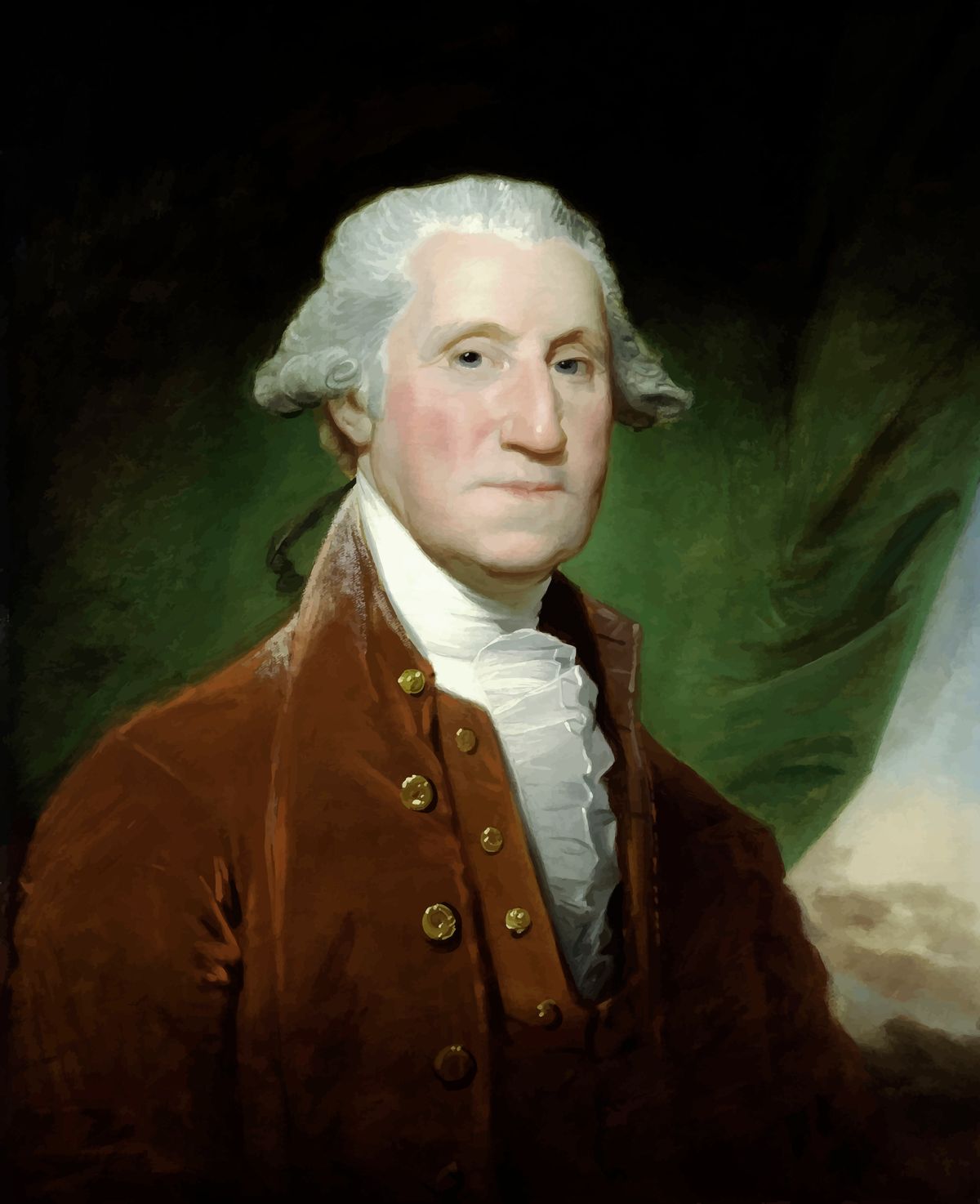
Online accounts often attribute this quote about keeping good company to George Washington:
Associate yourself with Men of good Quality if you Esteem your own Reputation; for 'tis better to be alone than in bad Company.
This quote is well-associated with the first president of the U.S., but he did not author it. Instead, the quote comes from a collection of "Rules of Civility & Decent Behaviour in Company and Conversation" regularly used by school children of that era. As described by the Mount Vernon Ladies' Association of the Union:
These maxims originated in the late sixteenth century in France and were popularly circulated during Washington's time. This exercise, now regarded as a formative influence in the development of his character, included guidelines for behavior in pleasant company, appropriate actions in formal situations, and general courtesies.
"Sometime before the age of 16," the Library of Congress writes, "Washington transcribed 110 'Rules of Civility & Decent Behaviour in Company and Conversation' into his school copybook." That copybook is included in the George Washington Papers at the Library of Congress.
Because Washington did not originate the saying, Snopes therefore rates the quote as "Misattributed."