
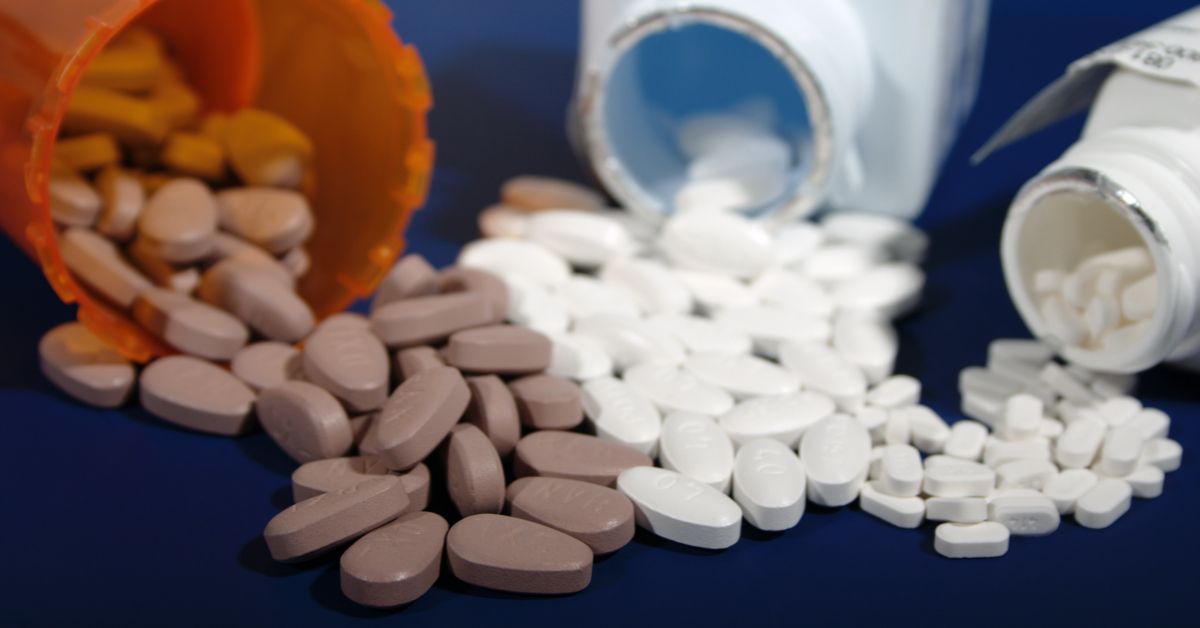
The U.S. Food and Drug Administration (FDA) on 13 July 2018 issued a recall on pharmaceuticals containing the active ingredient valsartan, which is used to treat high blood pressure and heart failure. An impurity that can cause cancer has been found in batches of the ingredient manufactured in China:
This recall is due to an impurity, N-nitrosodimethylamine (NDMA), which was found in the recalled products. However, not all products containing valsartan are being recalled. NDMA is classified as a probable human carcinogen (a substance that could cause cancer) based on results from laboratory tests. The presence of NDMA was unexpected and is thought to be related to changes in the way the active substance was manufactured.
The FDA has recalled products containing valsatran distributed by Major, Solco and Teva:
According to the FDA:
- Because valsartan is used in medicines to treat serious medical conditions, patients taking the recalled valsartan-containing medicines should continue taking their medicine until they have a replacement product.
- To determine whether a specific product has been recalled, patients should look at the drug name and company name on the label of their prescription bottle. If the information is not on the bottle, patients should contact the pharmacy that dispensed the medicine.
- If a patient is taking one of the recalled medicines listed below, they should follow the recall instructions provided by the specific company. This information will be posted to the FDA’s website.
- Patients should also contact their health care professional (the pharmacist who dispensed the medication or doctor who prescribed the medication) if their medicine is included in this recall to discuss their treatment, which may include another valsartan product not affected by this recall or an alternative treatment option.
Janet Woodcock, M.D., director of the FDA’s Center for Drug Evaluation and Research, said in a statement that:
We have carefully assessed the valsartan-containing medications sold in the United States, and we’ve found that the valsartan sold by these specific companies does not meet our safety standards. This is why we’ve asked these companies to take immediate action to protect patients.
The FDA joins Europe in recalling valsartan products manufactured by the Chinese pharmaceutical firm Zhejiang Huahai Pharmaceuticals, according to Reuters: "Britain’s Medicines and Healthcare products Regulatory Agency said the appearance of the impurity — N-nitrosodimethylamine — came after a change in the process for making valsartan at one facility."
Also according Reuters, the substance may have been introduced by a change in manufacturing process dating back to 2012 and "suggests many patients could potentially have been exposed to cancer risk."