
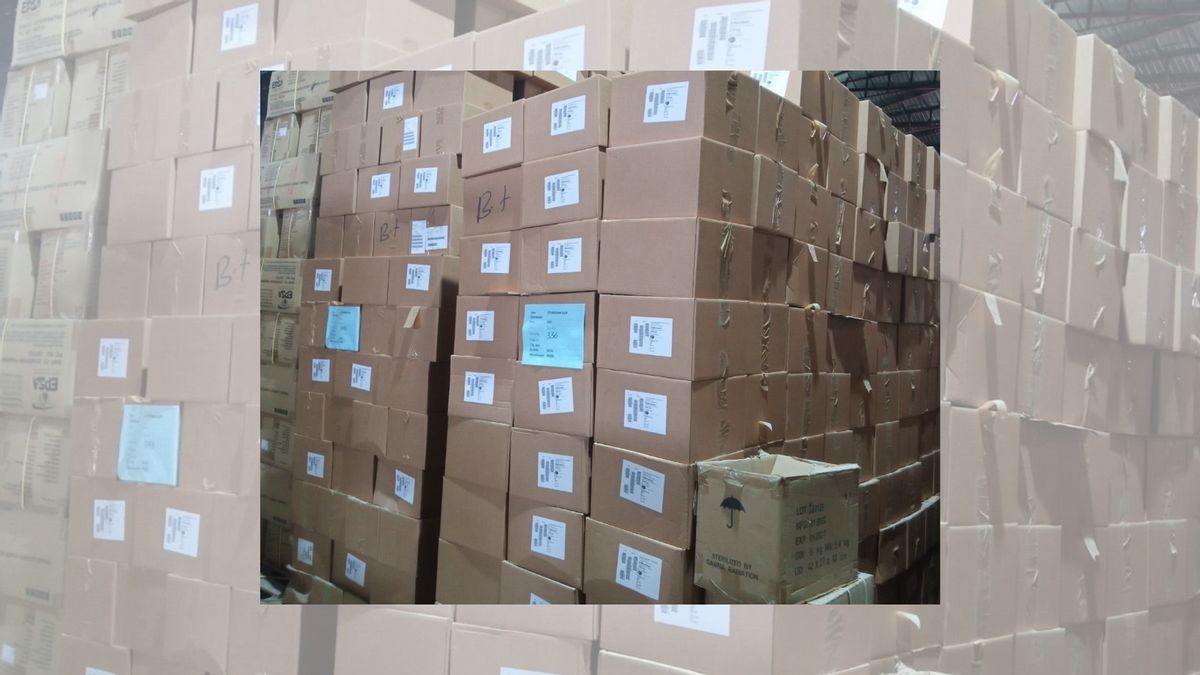
In mid-February 2025, a photograph spread on social media purportedly showing $300 million worth of medication sitting in a warehouse and about to expire due to U.S. President Donald Trump's freeze on foreign aid spending.
Sen. Chris Coons, D-Del., posted the image to X (archived) on Feb. 12, 2025, saying the drugs depicted would have prevented people "from going blind from a preventable tropical disease." He added, "Trump would rather waste them in an East African warehouse." His post also circulated on Threads and Facebook (archived, archived, archived).
On Jan. 20, 2025, Trump announced an executive order that imposed a 90-day freeze on U.S. foreign aid programs. The administration also took an axe to the United States Agency for International Development (USAID), the main U.S. federal agency providing foreign aid. The Trump administration said it would put all directly hired employees of USAID on leave and recall thousands working overseas.
However, on Jan. 29, Secretary of State Marco Rubio then issued a waiver of the 90-day pause, which allowed implementers of existing lifesaving humanitarian assistance programs to continue or resume their work.
A spokesperson from Coons' office said via email that the medications depicted in the photograph were part of the USAID-funded Neglected Tropical Diseases (NTD) program, which Rubio's waiver did not exempt from the freeze. Coons is co-chair of the Senate Caucus on Malaria and NTDs.
According to Coons' spokesperson, an individual affiliated with the NTD program took the photograph on Feb. 6 at a warehouse in Tanzania. The spokesperson said the individual wished to remain anonymous for fear of reprisal.
The spokesperson also said most of the boxes visible in the photo contained the antibiotic Zithromax, which the pharmaceutical corporation Pfizer produced and donated to the program, and that the drugs could potentially go to waste. According to the spokesperson, "These drugs are at risk of expiration, as unless NTDs are added to the waiver, the program these medicines were donated for will not restart and there will be no way to get these medicines out of the warehouse."
The spokesperson said the $300 million figured reflected the market rate of the medicines. Pfizer donated the drugs to the NTD program under a specific public private partnership (PPP) and at no cost to the taxpayer. They added that USAID paid $1 for every $26 donated through the PPP and much of that money was spent on logistics.
Snopes contacted the drug's manufacturer, Pfizer, for comment. We will update this story if we receive a response.
On Feb. 13, a federal judge in Washington, D.C., ordered a temporary thaw on Trump's foreign aid freeze. The ruling demanded the administration notify every organization with an existing contract with the federal government of the temporary stay. It also set a deadline of Feb. 18 for the government to inform the court of its compliance. However, some confusion remains over how funding will resume.
We previously reported on the sequence of decisions that briefly froze the distribution of lifesaving HIV medication.