
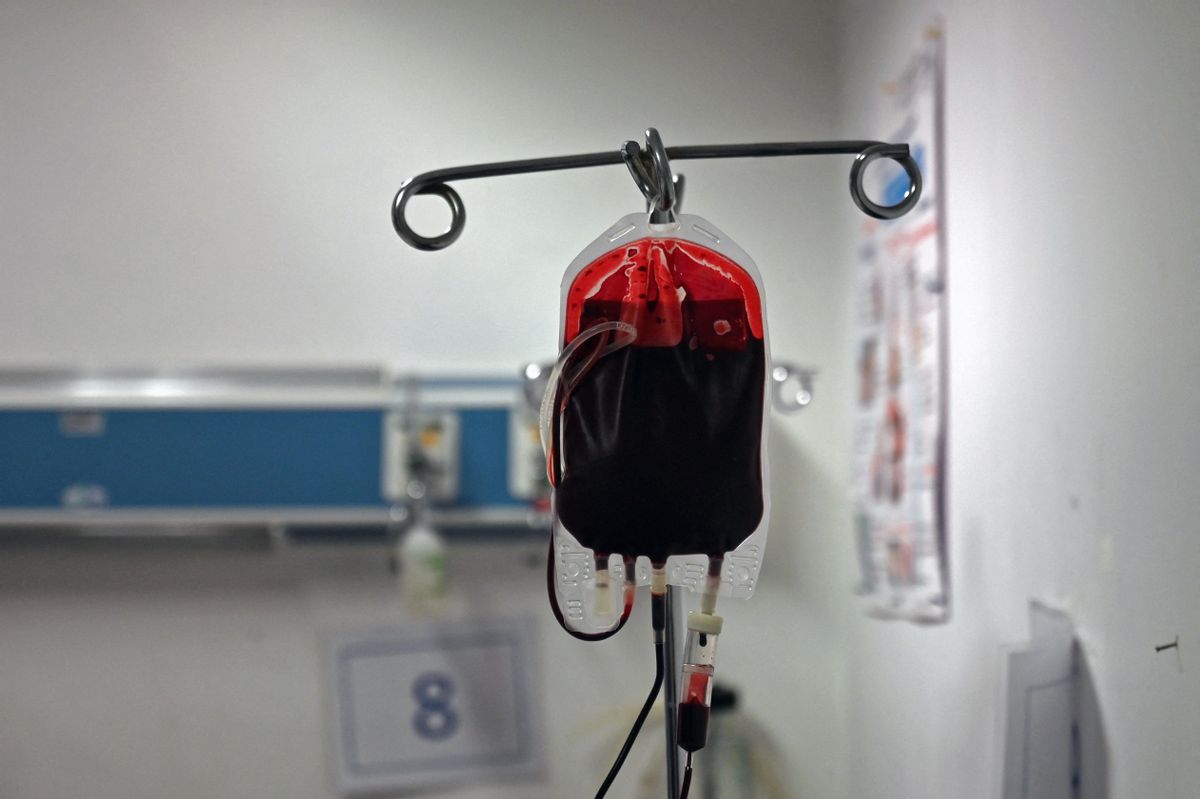
In early 2025, social media users began spreading a rumor that a Florida surgeon transfused expired blood into Black and Hispanic patients.
The claim primarily spread on TikTok; one video on the platform making the claim had nearly 60,000 likes and over 40,000 shares as of this writing.
"He would schedule the surgery, use the bad blood and pocket the difference," the TikTok user claimed, alleging the doctor sold the "good blood" initially set aside for the patient. "He pocketed the difference of above $4 million dollars. He's being investigated by the hospital, he's being sued by the insurance company for fraud, and there is a class action suit against him with the clients he has put in this situation and killed."
While many commenters appeared to believe the video's claims, others pointed out inconsistencies, claiming blood must be verified by others to ensure patient compatibility before patients receive transfusions.


This rumor appeared to originate with the video above and is unsubstantiated. The vague nature of the claim, lack of identifying details offered by the original creator and inaccurate understanding of the blood transfusion process indicate that this claim is likely not legitimate. The TikTok video's creator, @cali.michaelis, does not have direct messages open, so it was not possible to inquire for more information. We also reached out to the Florida Hospital Association and will update the story if the organization responds.
The claims don't add up
It is true that blood expires. However, evidence that using older blood during surgery results in an increased risk of death is mixed; the most recent peer-reviewed research suggests fresh and older blood are equally effective, even if the blood is expired — although this may vary based on the patient's condition and health.
The United States has detailed laws regulating safe blood donation and transfusion; according to the FDA, blood expires after up to 42 days from the date of collection. In an emailed statement, a spokesperson for the American Red Cross, Evan Peterson, said the organization — which provides about 40% of the nation's blood supply — follows all FDA rules, including "proper disposal of blood products in instances when blood may exceed its shelf life and can no longer be transfused."
As the Red Cross notes on its website, while hospitals keep some blood on the shelf, much of it is directly ordered from blood banks. Furthermore, national blood shortages are common, which suggests that hospitals would be using the vast majority of its blood before it expires, making it unlikely that a surgeon would be able to handle large amounts of expired blood.
In the video, the creator claimed that the hospital caught the surgeon due to a discrepancy of 60 extra bags of blood in inventory. It is not clear how the alleged doctor got hold of expired blood or how the surgeon is profiting off of this supposed scheme, but if the surgeon sold the blood, for example, we would receive nowhere near the $4 million in profit claimed by the creator.
When hospitals buy blood from an outside provider, it costs approximately $250 for one unit of blood, the standard measurement. Assuming one "bag" of blood is equivalent to one unit, this purported surgeon would only net $15,000 if he sold 60 bags.
Hospital accrediting agencies also require hospitals to monitor blood transfusion practices (see Page 51), and pre-transfusion blood checks are a critical component of that.
As many commenters rightly pointed out, standard guidelines mandate that in a pre-transfusion check, at least two nurses or medical professionals check the blood for varying details, including the blood's expiration date and time. Thus, multiple people would likely have to be complicit in the doctor's scheme in order for it to work at all.

Finally, a Google search for "Florida doctor expired blood transfusion" returned various medical malpractice stories, but nothing involving expired blood — and if this did indeed happen, especially if there was a "class action lawsuit" as claimed by the TikTok creator, it would certainly make news.
We reached out to the Association for the Advancement of Blood & Biotherapies, which accredits blood banks and hospitals in the United States, to ask for more information about how strict pre-transfusion check policies are and will update this story if the organization responds.