

In July 2026, as Lebanon and Israel entered a sixth round of U.S.-mediated talks, a claim resurfaced online accusing Apple Maps of deleting its labels for Lebanese towns and villages in an act of complicity with Israel.
One July 13 X post (archived) read, "Apple removes all village names in southern Lebanon from its Maps app. What is the justification for this? What is the reason?" As of this writing, the post had received more than 1.4 million views and many commenters appeared to believe the claim was true.

(X user @InsiderWorld_1.)
The rumor about Apple Maps erasing Lebanese towns appeared to originate from independent journalist Ethan Levins in April 2026, when we first covered this claim. In an X post (archived) viewed nearly 13 million times, he wrote:
Apple has removed Lebanese village names in Southern Lebanon.
As Israel invades, they are already setting the state to justify occupation.
I've never seen something like this.

(X user @EthanLevins2)
Other prominent users, including the Instagram account for the Gaza Freedom Flotilla, also spread the claim (archived), calling it "erasure." The account posted an image with overlaid text that read, "Apple has erased almost all towns and villages in Lebanon on Maps."
None of the users who claimed Apple Maps erased the names of Lebanese towns and villages provided any evidence that the labels were in place before Israel's strikes in 2026.
In reality, Apple Maps has had sparse coverage in Lebanon since at least 2020, as shown in a Snopes reporter's screenshot from August of that year:
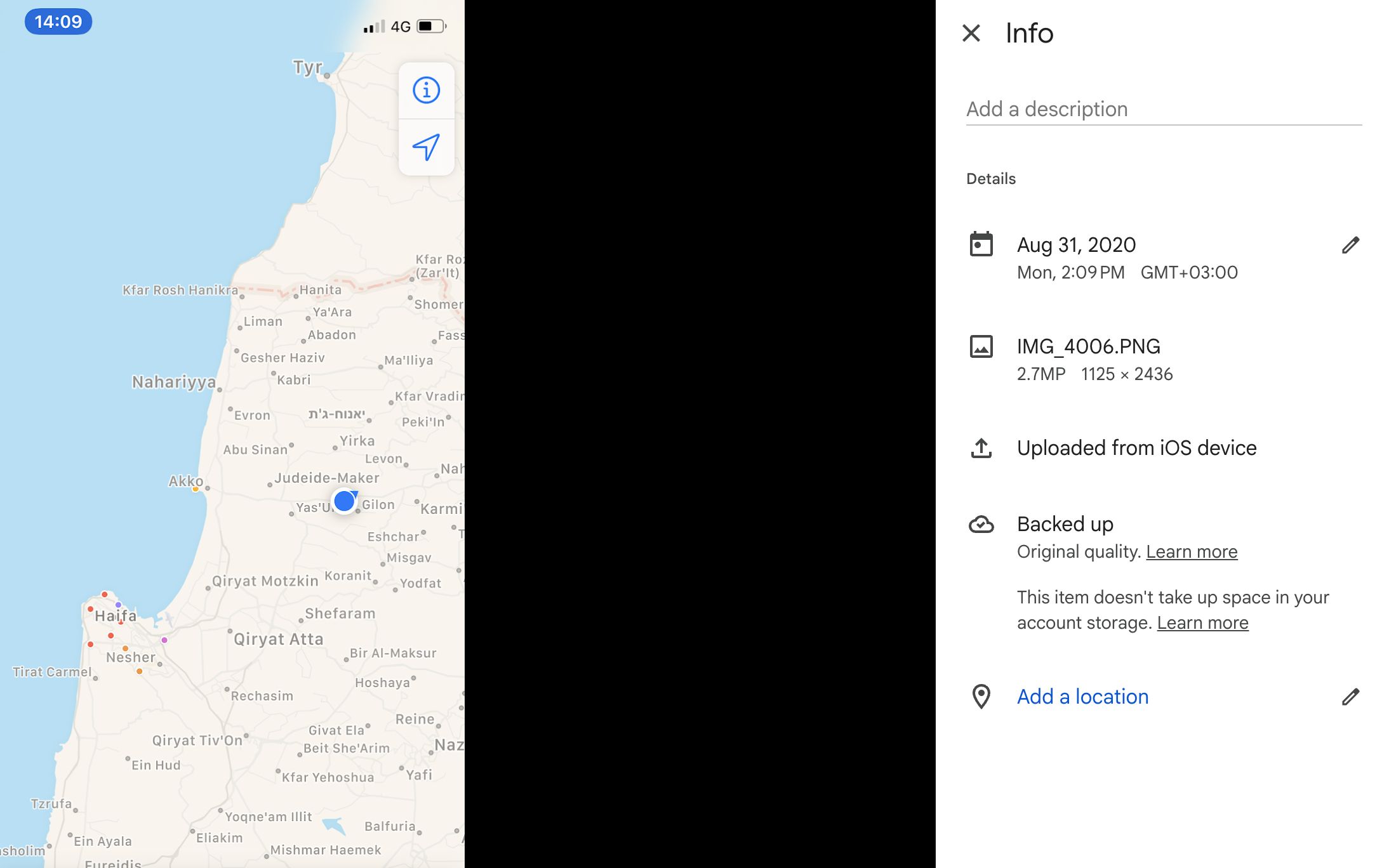
As of this writing, the nation's missing locations stand in stark contrast to the labels on Apple Maps' imagery of Israel, which features numerous small northern towns, as shown below. Apple Maps' Lebanon coverage also contrasts with Google Maps' coverage, which features labels for several towns and villages in southern Lebanon, also shown below.

(Image courtesy of Apple Maps and Google Maps.)
When Apple's research and development hub in Israel opened in 2015, it was reportedly the company's second-largest in the world. Apple's ties to the country have deepened in the years since, with it acquiring several Israeli tech companies, expanding operations in other cities and by planning to add another building to its R&D hub.
Some people concluded that, because of its ties to Israel, Apple intentionally erased labels on its maps application for towns that were previously visible in southern Lebanon. Some suggested the alleged move was an act of complicity with Israel's attacks that, according to a United Nations report from July 9, 2026, have killed more than 4,321 people and injured 12,204 since March 2, 2026.
Snopes contacted Apple seeking information regarding its coverage of Lebanon when we first reported this story in April 2026 and again in July. We did not immediately hear back, but will update this story if we receive a response.
Several outlets, including Wired and France 24, reportedly spoke with Apple representatives, who told the publications the town labels were never there in the first place.
While Snopes does not rely on secondary testimony for its ratings, we rate the claim that Apple erased the labels for towns and villages in southern Lebanon false. This is because the reported information in the Wired and France 24 articles aligns with images and information posted online before Israel's 2026 attacks, as well as the Snopes reporter's 2020 screenshot that shows sparse location names in Lebanon.
Users have long noted the lack of Apple Maps' availability in Lebanon. Amateur map enthusiasts tracking Apple Maps' global coverage indicated services were not available in Lebanon in mid-2024 and 2025, and at least one X post (archived) from 2020 shows a screenshot of Apple Maps in Lebanon, similarly not showing any towns south of the coastal city of Tyre.
Apple also maintains a list of nations and territories where its Apple Maps services are available. As of this writing, Lebanon does not have Apple Maps' turn-by-turn navigation, only standard satellite imagery. Lebanon is also missing from Apple's list of countries where the company collects data on the ground, possibly another reason map details remain limited in Lebanon.
It is unclear why the towns and villages labeled for Israel and Syria appear on Apple Maps while those in Lebanon do not.
Wired reporter Dana Alomar wrote:
Apple says reports claiming certain Lebanese towns and villages were removed from Apple Maps are incorrect, adding that those locations had never been featured on the platform in the first place.
The tech giant added that its newer, more detailed Apple Maps experience is not currently available there, and has not yet launched in all markets globally.
France 24 also reported that Apple said its global rollout was "ongoing."
For further reading, we fact-checked a photo claiming to show an Israeli soldier smashing a statue of Jesus Christ in southern Lebanon.